
OM
Den 4. september åbner Dragør Havnegalleri en kurateret udstilling med Annette Falk Lund og Suzana Profeta.
To kunstnere med vidt forskellige baggrunde – Annette, opvokset i DDR, og Suzana, født i Brasilien – som begge har valgt Danmark som hjem. Selvom de arbejder i forskellige medier og med forskellige temaer, mødes deres værker i det, der forbinder os som mennesker.
"Human Nature" is an exhibition about humanity as seen through two life stories, two artistic languages, and two different perspectives on the world.
Practical Information
📍 Dragør Havnegalleri, Strandgade 36, Dragør, Denmark, 2791
🗓️ 4–10 september 2026 | Åbningstider 13–18
🥂 Fernisering 4. september kl. 16–18
🎙️ Artist Talk 5. september fra kl. 14
Annette Falk Lund
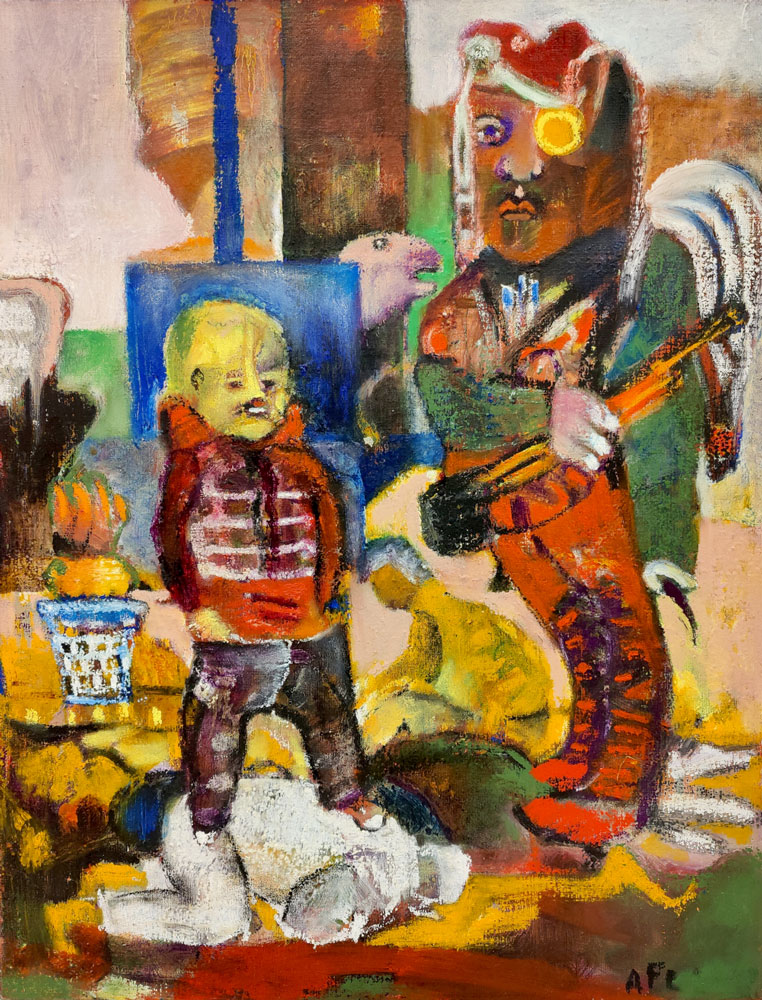
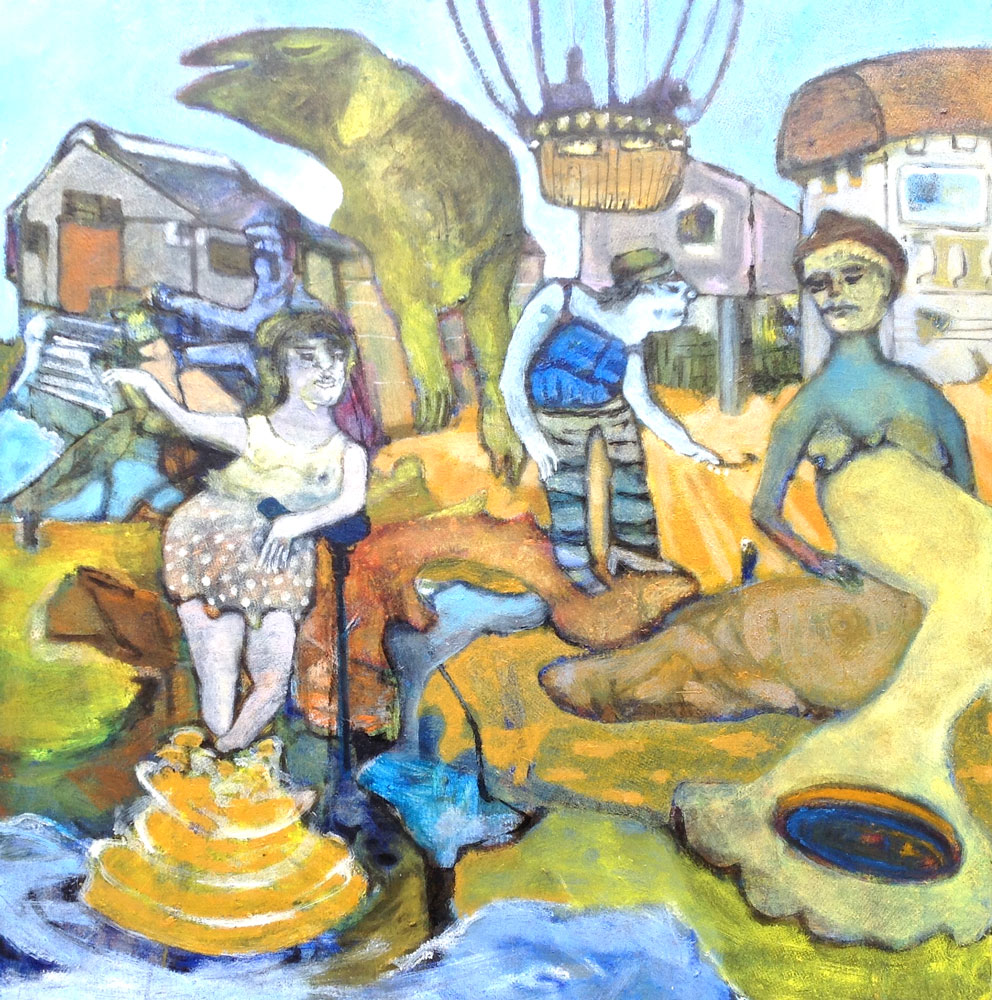
Annette draws inspiration from women’s lives, experiences, and identities. Through the narrative power of painting, she explores the characters who are searching for their place in the world—and the love and empathy that connect us as human beings.
Besøg hjemmesiden: aflworks.falklund.dk
Suzana Profeta
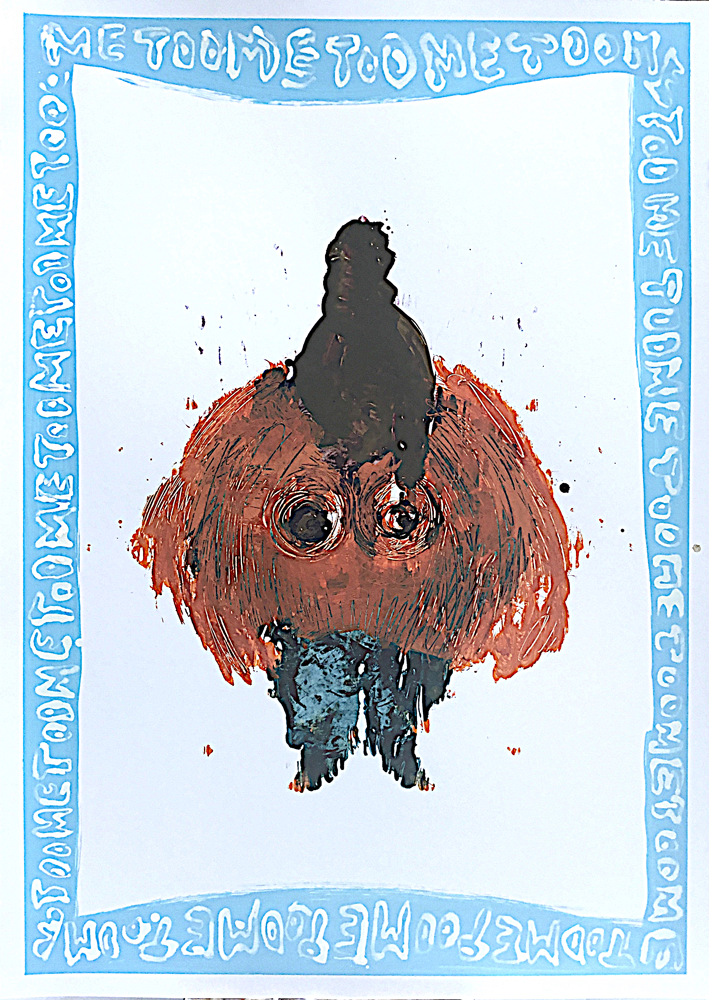
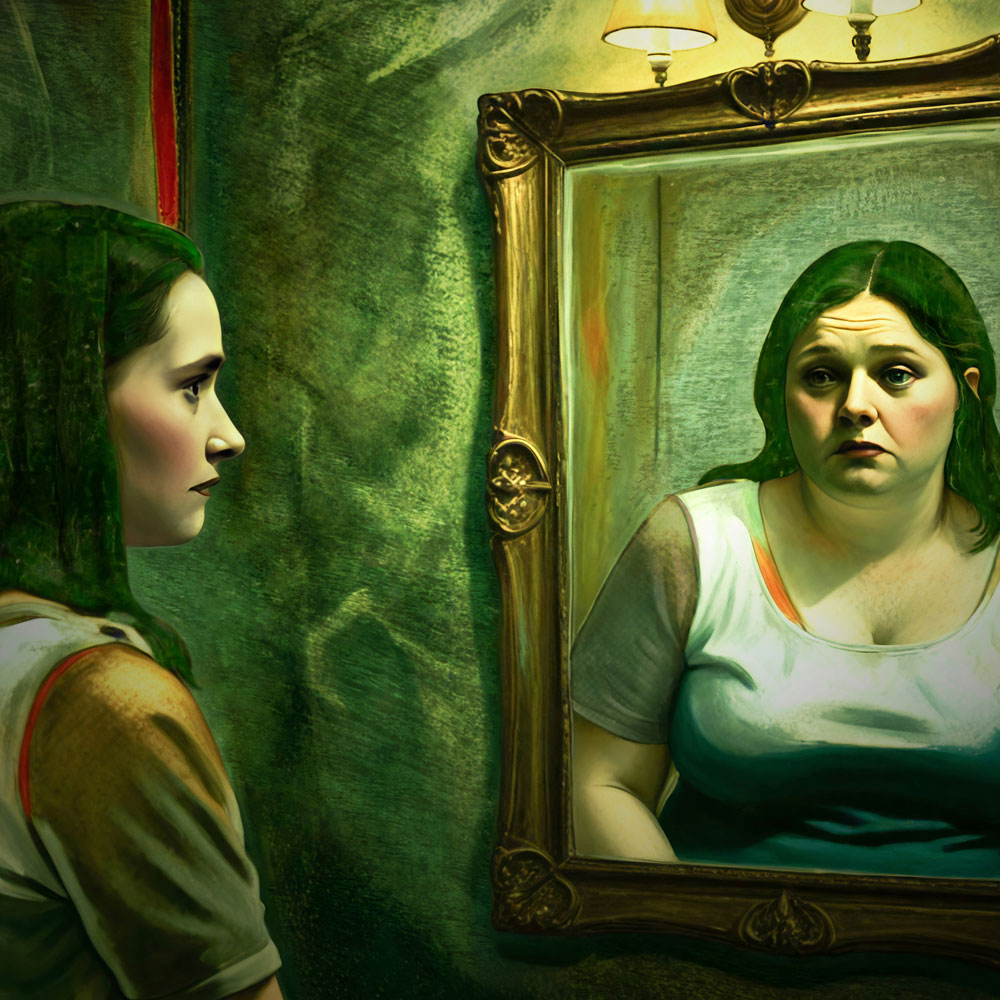
Suzana explores the gap between how we are perceived—by others and by ourselves—and who we really are. Through both grotesque and brutally honest artworks , she examines how society’s gaze can influence our self-perception—and at times create the need to protect who we really are.
Besøg hjemmesiden: profeta.dk
“For most of history,
Anonymous was a woman.”
— Virginia Woolf
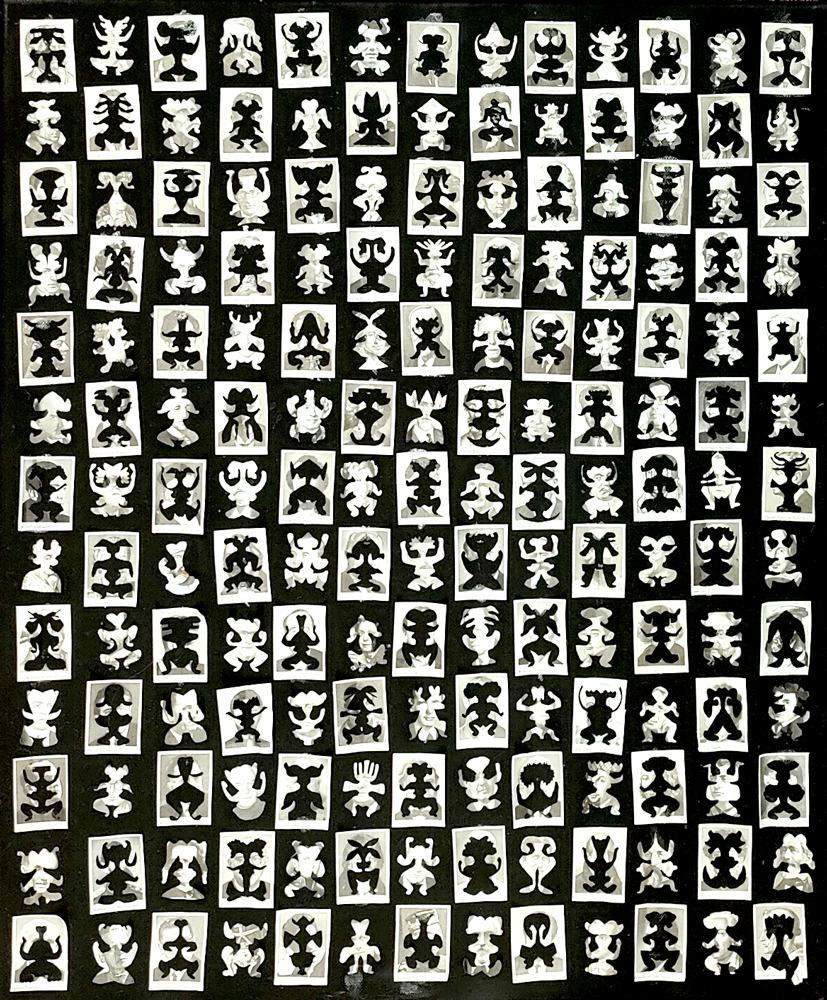
A general encyclopedia in six volumes. 95% of the people depicted are men. Women are hardly mentioned at all.
It’s no coincidence. It’s a pattern—throughout history and into the present. These paper cutouts give form to those who are missing. The woman No title. Diverse. Present.

“Survival is your strength, not your shame.”
— Brittany Burgunder
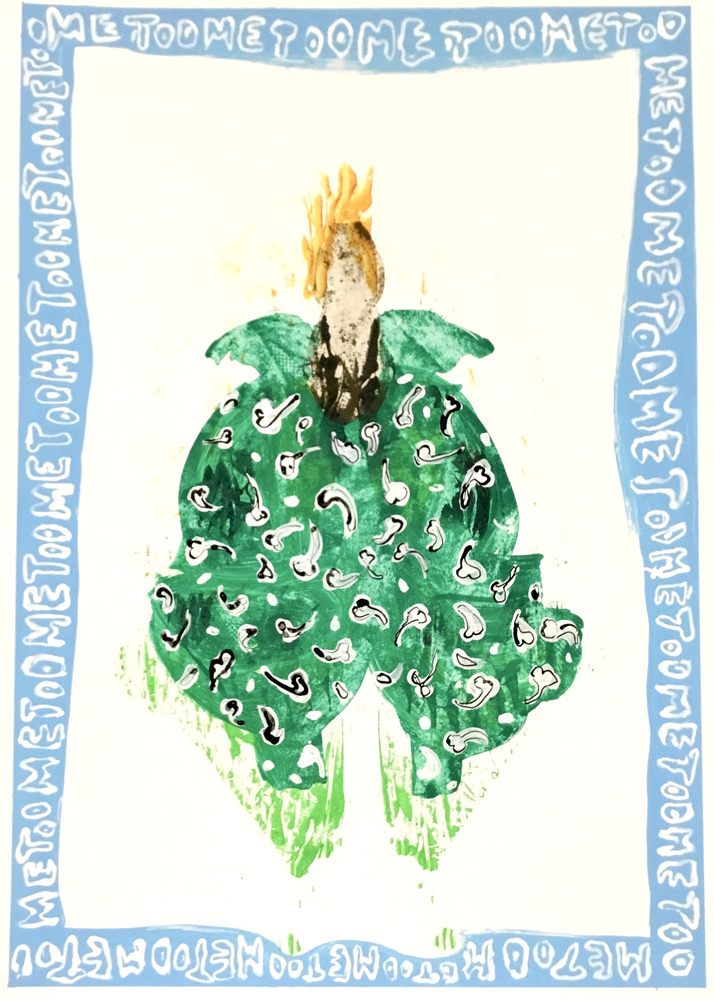
Trauma leaves its mark. Not just in one’s memory, but in the body, in relationships, and in the way one navigates the world. The long-term effects are invisible to others—but they are real.
Resilience isn’t about forgetting. It’s about finding the strength to build a life of dignity—with what happened as part of who you’ve become.

Pletfri Kjole

Resiliens
“Every story I create, creates me.”
— Octavia E. Butler
We all carry stories with us. Stories of moments that have left a lasting impression. Of encounters that have made a difference. Of places where we felt at home—or didn’t.
The story shapes who we are. And perhaps it’s not the answers we’re looking for—but the place where we can be ourselves.

Angel of Peace

Coast People
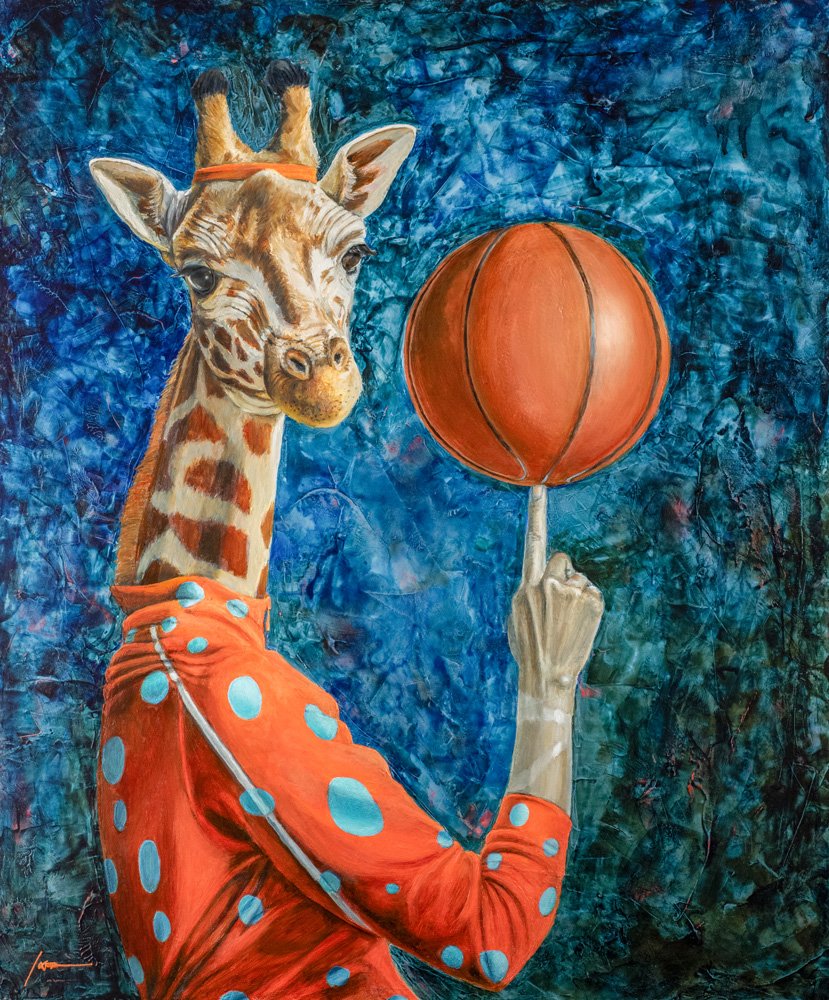
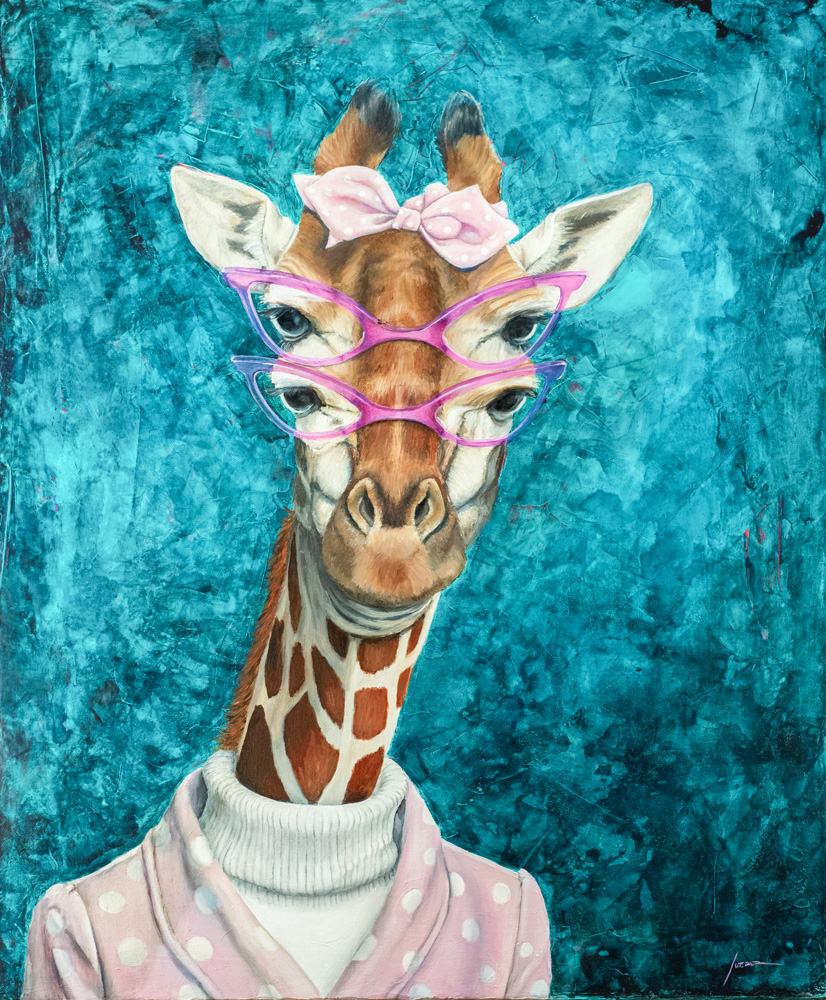
“…the wisest thing I can do is be on my own side.”
— Maya Angelou

Play Basket

Four Eyes
Words said in jest can leave a mark. If you hear them often enough, you may start to believe them. But those words say more about the person saying them—about their need to affirm their own place within the norm.
To see the grotesque and laugh at it yourself—that’s something else entirely. That’s what it means to own it.
“To lose confidence in one’s body is to lose confidence in oneself.”
— Simone de Beauvoir

Mirror Dissonance

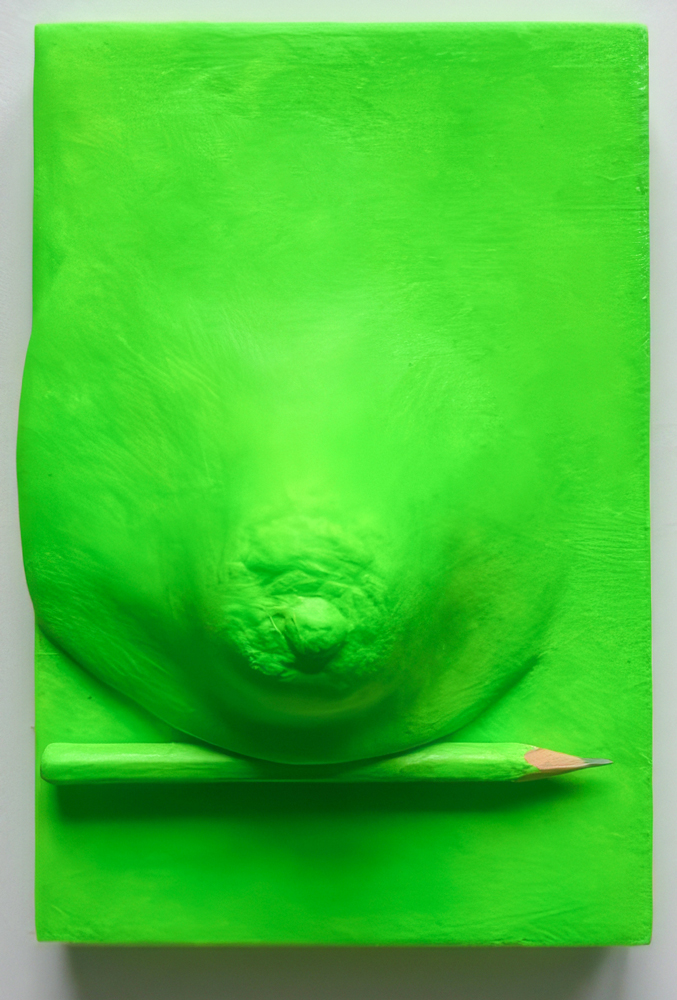
Pencil Test
The body is never just a body. It’s something we’re measured by, commented on, and compared to ideals we never asked for. From childhood, we learn what a body is supposed to be—and what it isn’t supposed to be.
These standards take root—not just in our minds, but in the way we see ourselves in the mirror.
“The self is a performed character
– a dramatic effect arising from a scene that is presented.”
— Erving Goffman, 1959

Senna


Beco
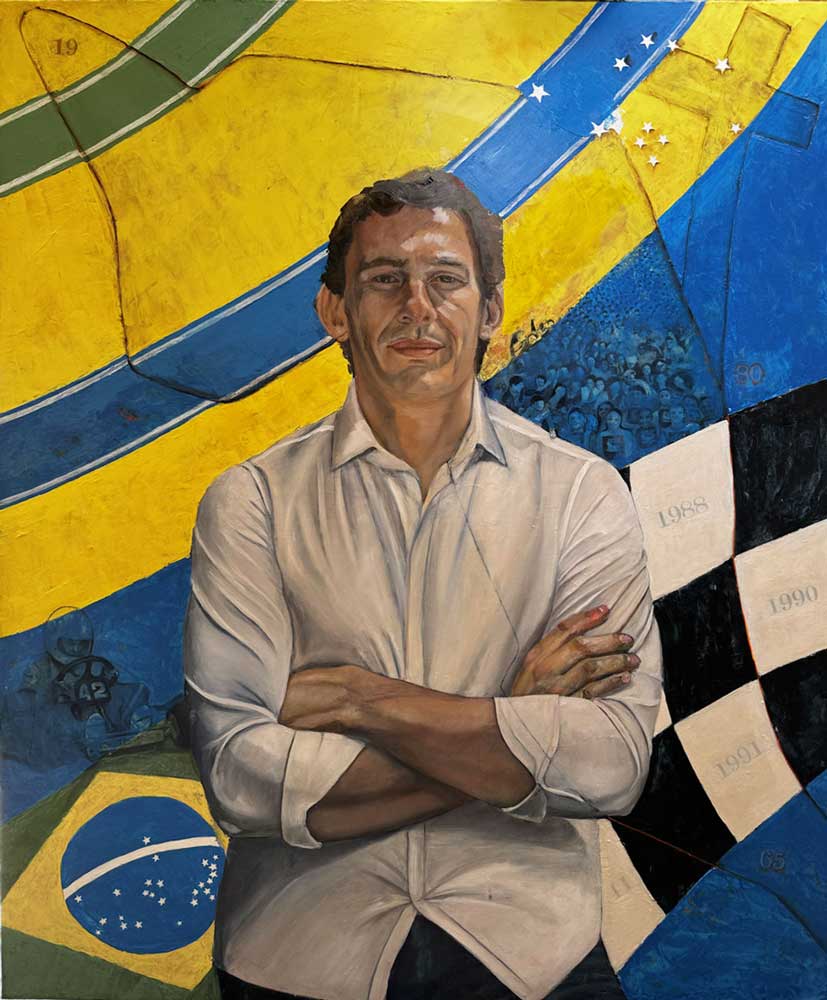
We all choose which aspects of ourselves to show—at work, with our families, and in public. The way others see us shapes our self-esteem. So we adapt, adjust, and present the version of ourselves that fits the situation.
Frontstage is the side we show the world. Backstage—in our private space, with those we trust—we can let go of the act. That’s where we protect what we don’t show to others: who we truly are.